
Wednesday, August 4, 2010

Monday, August 2, 2010
studio four: paradise
persian paradise carpets
based on the islamic idea of paradise, designs have evolved over many generations
concepts of paradise among different cultures differ
the word paradise is of persian origin: literally meaning walled garden
(reminds me of the garden of earthly delights)

the story of garden/paradise in the genesis
adam and eve are expelled from the garden and since then have desired to go back to that garden
similar ideas in the islamic tradition and certain similar concepts in the buddhist tradition

tibetan tantric art
paradise in ancient greek culture:
perpetual spring with its own stars
garden in islam
a confined space within a wall
(however, there are several interpretations of this concept among different islamic cultures.)
some attributes of the islamic garden:
-enclosed
-cultivated
-usually rectangular
-usually include water channels
-textured plants
-the water brings sound to the space
the manifestation of this concept of paradise on carpets:


kurdish carpets, with different approaches towards the manifestation of paradise ( so they're not limited to persian carpets)
the immense amount of labour and skill that goes into producing a single carpet is in itself a metaphor of the difficulty (or even impossibility) of attaining the level of awareness and perfection one needs to be worth of "paradise"
patterns used in persian carpets and their symbolism (www.persiancarpetartcentre.com.au)
the use of colour:
white:peace
red great:joy
yellow:glory
green:sacred colour
brown:acceptance
orange:devotion
garden in persian miniatures:
babur's gardens
plants were chosen for their symbolism, their texture, etc

symbolism in alhambra

other cultures:
garden of eden is believed to be based in historical kurdistan
"the task is not so much to see what no one has yet seen, but to think what no one has thought about that which everyone sees".
based on the islamic idea of paradise, designs have evolved over many generations
concepts of paradise among different cultures differ
the word paradise is of persian origin: literally meaning walled garden
(reminds me of the garden of earthly delights)

the story of garden/paradise in the genesis
adam and eve are expelled from the garden and since then have desired to go back to that garden
similar ideas in the islamic tradition and certain similar concepts in the buddhist tradition

tibetan tantric art
paradise in ancient greek culture:
perpetual spring with its own stars
garden in islam
a confined space within a wall
(however, there are several interpretations of this concept among different islamic cultures.)
some attributes of the islamic garden:
-enclosed
-cultivated
-usually rectangular
-usually include water channels
-textured plants
-the water brings sound to the space
the manifestation of this concept of paradise on carpets:


kurdish carpets, with different approaches towards the manifestation of paradise ( so they're not limited to persian carpets)
the immense amount of labour and skill that goes into producing a single carpet is in itself a metaphor of the difficulty (or even impossibility) of attaining the level of awareness and perfection one needs to be worth of "paradise"
patterns used in persian carpets and their symbolism (www.persiancarpetartcentre.com.au)
the use of colour:
white:peace
red great:joy
yellow:glory
green:sacred colour
brown:acceptance
orange:devotion
garden in persian miniatures:
babur's gardens
plants were chosen for their symbolism, their texture, etc

symbolism in alhambra

other cultures:
garden of eden is believed to be based in historical kurdistan
"the task is not so much to see what no one has yet seen, but to think what no one has thought about that which everyone sees".
Sunday, August 1, 2010
dalisi
a conceptual study of the coffee machine. i looked at the coffee machine as the result/embodiment of several ideas and thoughts etc, how they clash, how they stand as separate entities within the same frame.

Wednesday, July 28, 2010
studio four week two lecture notes
generative metaphor in design
everyday actions are also design in a way
“a good designer is a good decision maker”
a designer deals with both precise and vague ideas, there is both imagination and technical issues going on simultaneously
how to come up with ideas?
-learn by doing
the consideration of the end user: design cannot be for design’s sake unlike art
every project is unique: don’t do what you have always done!!!!
Project:
-The set up:
what am I dealing with? (research)
What are the parameters? (set the scope)
What is the problem (define and analyse)
How will I look at it, test it, and incorporate new ideas? (generative metaphor, looking through new eyes)
-The problem solving
what are my possibilities?
What are my limits?
What materials?
What environmental or aesthetic issues do I have to consider?
"generative metaphor is the scaffolding that supports the design process."
how to create one?
be open to surprises, embrace confusion, suspend judgment, consider non-solutions
tulip chair and egg chair:
all the design decisions revolve around the metaphor
-ergonomics
-must be durable, functional, beautiful etc
war memorial:
-pragmatic, cultural, spatial, spiritual aspects
frank gehry fish lamp and guggenheim
-personal memories reflected on the design
liebskind war museum and jewish museum
-shattered pieces
-deconstructed star of david
everyday actions are also design in a way
“a good designer is a good decision maker”
a designer deals with both precise and vague ideas, there is both imagination and technical issues going on simultaneously
how to come up with ideas?
-learn by doing
the consideration of the end user: design cannot be for design’s sake unlike art
every project is unique: don’t do what you have always done!!!!
Project:
-The set up:
what am I dealing with? (research)
What are the parameters? (set the scope)
What is the problem (define and analyse)
How will I look at it, test it, and incorporate new ideas? (generative metaphor, looking through new eyes)
-The problem solving
what are my possibilities?
What are my limits?
What materials?
What environmental or aesthetic issues do I have to consider?
"generative metaphor is the scaffolding that supports the design process."
how to create one?
be open to surprises, embrace confusion, suspend judgment, consider non-solutions
tulip chair and egg chair:
all the design decisions revolve around the metaphor
-ergonomics
-must be durable, functional, beautiful etc
war memorial:
-pragmatic, cultural, spatial, spiritual aspects
frank gehry fish lamp and guggenheim
-personal memories reflected on the design
liebskind war museum and jewish museum
-shattered pieces
-deconstructed star of david
Tuesday, July 27, 2010
studio 4 week 2 reading
semiotics: science of signs

shahzia sikander: a master of symbols
drawing: system of signs
how would semiotics be studied on a general level? if it's the study of signs, it must take into account the time, place, culture, and several other factors into mind. a sign that means A in one culture might mean B in another.
"semiotics covers many fields ranging from linguistics to film theory and cultural history."
what is seen vs what is meant: signifier and signified
this applies to so many things! it's in visual arts, in our everyday life, and also in language. mankind created and grouped signs and attribute certain sounds to them, and those sounds meant ideas, objects, emotions, and so on.
logo: a symbol of both the company and its mission/character
symbols in design: shape, colour, line, etc etc
different kinds of signs:
-open to only one interpretation
-open to more than one interpretation
-open to unlimited interpretations
the six functions of communication
drawing in fine arts vs drawing in design: must keep in mind the conative function

shahzia sikander: a master of symbols

Monday, July 26, 2010
studio 4: northern italy vs southern italy
north:


images of southern italy


rich
industrialised
more liberal
urban
claims more sophisticated culture, cities such as torino, venice, milan etc
'cold'
smoother lines
sleek
south:
less prosperous
'rustic'
greater rural areas
less liberal
only one big economic and cultural centre (naples)
'warm'
ornate
textured
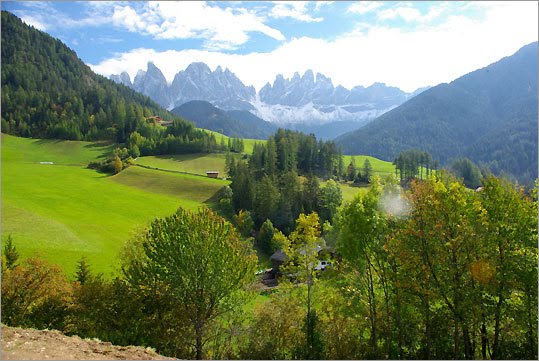
images of northern italy:


images of southern italy


Subscribe to:
Posts (Atom)